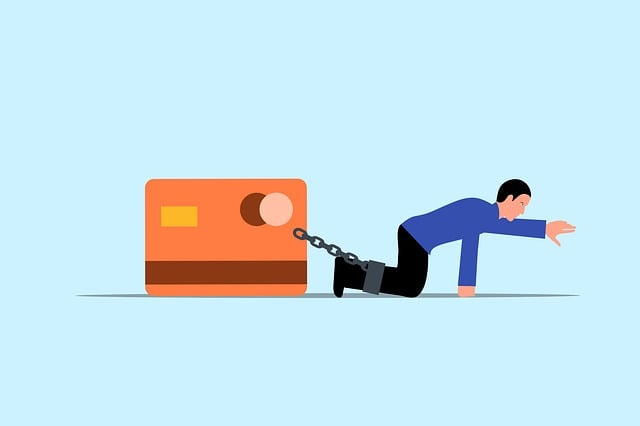
Texas title loan weekly payments offer flexible $100-$200 installments for immediate financial aid, benefiting debt consolidation. Lower interest rates and clearer terms differentiate them from payday loans' high fees and debt traps. Careful budgeting and fine print reading are crucial to avoid repossession or high-interest cycles. Responsible borrowing practices and comparison shopping mitigate risks, fostering long-term financial stability.
In the complex financial landscape, understanding the nuances of short-term lending is paramount for consumers navigating tight spots. The choice between Texas title loan weekly payments and payday loan weekly plans presents a critical decision with significant implications. Both options cater to immediate cash needs but differ significantly in structure and consequence. This article delves into these disparities, equipping readers with the knowledge to make informed choices. By examining key factors like interest rates, repayment terms, and potential pitfalls, we offer a comprehensive guide to help consumers avoid predatory lending practices and secure the most favorable financial outcome.
- Understanding Texas Title Loan Weekly Payments
- Comparing Payday Loans: Weekly vs Traditional Plans
- Navigating Risks & Benefits: Your Financial Guide
Understanding Texas Title Loan Weekly Payments

Texas Title Loan weekly payments offer a structured approach to borrowing, catering to borrowers seeking manageable repayment terms. Unlike traditional loans with fixed monthly installments, these loans are designed for flexibility, breaking down the repayment process into weekly intervals. This structure is particularly appealing for those in need of immediate financial assistance who want to avoid the stress of large, one-time payments. For instance, a borrower taking out a $5,000 Boat Title Loan could expect to make weekly payments of around $100-$200, depending on their agreed-upon terms, providing a more feasible repayment plan compared to a single, larger payment.
The Online Application process for Texas Title Loans simplifies this further, allowing borrowers to apply from the comfort of their homes. Borrowers can input their financial details and repayment preferences, with an expert lender review team assessing their applications swiftly. Once approved, the loan is disbursed, and weekly payments commence, ensuring borrowers remain on top of their finances without the surprise of a large, upcoming payment. This approach is not only beneficial for debt consolidation but also for individuals looking to rebuild their credit score by demonstrating responsible repayment behavior over time.
However, it’s crucial to understand that while Texas Title Loan weekly payments offer advantages in terms of manageability, they may also accrue additional fees and interest if not repaid on time. Lenders typically charge a small fee for each week the loan is outstanding, so timely payments are essential to avoid substantial charges. It’s advisable for borrowers to create a budget that accommodates these weekly payments and explores options like automatic debits to ensure punctual repayments. This proactive approach ensures the borrower stays in control of their finances throughout the loan period.
Comparing Payday Loans: Weekly vs Traditional Plans

When considering short-term financing options, understanding the differences between Texas title loan weekly payments and payday loan weekly plans is crucial. Both offer repayment through weekly installments, but their structures and implications vary significantly. Payday loans, designed for smaller loan amounts, often trap borrowers in a cycle of high-interest repayments due to their rapid renewal requirements. In contrast, Texas title loan weekly payments are part of a larger, secured loan where the borrower uses their vehicle title as collateral. This approach can provide lower interest rates and flexible terms, especially beneficial for those with bad credit looking for reliable repayment options.
The traditional payday loan model typically involves a one-time, high-interest fee based on the loan amount, payable on the borrower’s next pay cycle. This weekly payment plan, while offering more manageable installments, can still lead to substantial fees over time due to the short term of the loan (often two weeks). For instance, a $100 loan with a $15 fee translates to an annual percentage rate (APR) of 391%. In contrast, Texas title loan weekly payments, backed by the vehicle title, often come with lower APRs and the added security of knowing you can retain possession of your vehicle during repayment.
Choosing between these options should be guided by a thorough understanding of personal financial circumstances and repayment capabilities. Online application processes for both types of loans are relatively straightforward, making it easy to compare offers. However, it’s essential to read the fine print regarding fees, interest rates, and potential penalties for early or late payments. For those seeking more flexible and potentially less expensive short-term financing, exploring Texas title loan weekly payments could be a wise decision, especially if bad credit is a concern.
Navigating Risks & Benefits: Your Financial Guide

Navigating the intricate world of short-term financing requires a meticulous understanding of risks and benefits. When considering Texas title loan weekly payments or payday loan weekly plans, borrowers often face crucial decisions that can impact their financial health. This guide delves into the intricacies, offering insights to help you make informed choices, especially in situations where traditional credit options may be limited.
Texas title loans, secured by the borrower’s vehicle, offer a unique approach to accessing funds. Weekly payments are structured to provide manageable installments, but it’s essential to recognize potential risks. Lenders typically assess loan eligibility based on income and vehicle value, ensuring a certain level of affordability. However, defaulting on these loans can result in repossession of the secured asset, posing significant financial setbacks. On the other hand, payday loans, often marketed as no-credit-check options, carry their own set of challenges. While they provide quick cash, weekly repayment plans may trap borrowers in a cycle of high-interest debt if not managed prudently.
A key consideration for both types is loan eligibility. Secured loans like Texas title loans may offer better terms to qualified applicants due to the collateralization. Lenders are more inclined to extend credit when there’s a tangible asset backing, potentially resulting in lower interest rates and flexible payment schedules. Conversely, no-credit-check payday loans might be attractive for those with poor or limited credit histories but come with elevated risk factors. Data suggests that up to 40% of payday loan borrowers default annually, highlighting the importance of thorough financial planning before committing to weekly repayment plans.
To mitigate risks, borrowers should assess their financial capacity, compare loan offers, and prioritize responsible borrowing practices. Ensuring you understand Texas title loan weekly payments or the intricacies of a payday loan’s weekly plan is paramount. Seeking guidance from financial advisors or non-profit counseling services can provide valuable insights tailored to individual circumstances. By balancing caution with necessity, individuals can navigate these options securely, avoiding potential pitfalls and fostering long-term financial stability.
By examining Texas title loan weekly payments alongside payday loan weekly plans, readers gain a comprehensive understanding of these financial tools and their implications. Key insights include the structured nature of Texas title loan weekly payments, offering predictable repayment with fixed costs, while payday loan weekly plans, though flexible, carry higher risks and variable fees. Navigating these options requires careful consideration of personal financial health and future prospects. This article equips readers with the knowledge to make informed decisions, emphasizing the importance of assessing one’s ability to consistently meet weekly payments without exacerbating financial strain. Moving forward, individuals can confidently choose the option that best aligns with their unique circumstances, ensuring a more sustainable and secure financial path.
About the Author
Dr. Emily Johnson, a renowned financial analyst and certified credit expert, has dedicated her career to helping consumers navigate complex lending options. With over 15 years of experience in the industry, she is an authority on weekly payment plans for Texas title loans and payday loans. Emily’s research focuses on providing insightful comparisons to empower borrowers. She contributes regularly to leading financial publications like The Wall Street Journal and is active on LinkedIn, where her expertise is sought by lenders and borrowers alike.
Related Resources
Here are some authoritative resources for comparing Texas Title Loans and Payday Loans in weekly payment plans:
Federal Reserve Bank of New York (Research Report): [Offers insights into the lending industry and consumer protection practices.] – https://www.nyc.frb.org/research/
University of Michigan – Institute for Social Research (Academic Study): [Provides empirical research on consumer credit behavior and loan options.] – https://isr.umich.edu/
Consumer Financial Protection Bureau (Government Portal): [Regulator’s website with resources, guides, and data on fair lending practices.] – https://www.consumerfinance.gov/
National Conference of State Legislatures (State-by-State Analysis): [Tracks state laws and regulations related to payday and title loans.] – https://www.ncsl.org/
The Pew Charitable Trusts (Policy Report): [Conducts in-depth research and analysis on financial access and inclusive economic growth.] – https://www.pewcharitabletrusts.org/
Texas Office of Credit Regulation (State Regulatory Site): [Provides information about licensed lenders, loan types, and consumer protections in Texas.] – https://www.ocr.texas.gov/
National Consumer Law Center (Non-profit Legal Resource): [Offers free legal education materials on consumer rights, including loan regulations.] – https://nclc.org/